
Choosing the right paper weight for your business cards in Dubai is not just about thickness – it’s about durability, feel, and how well the card withstands Dubai’s hot, humid climate and the wear of daily handling. As a printing specialist with over a decade of experience in Dubai’s printing industry, I see the same mistake repeatedly: professionals choosing flimsy paper that curls, fades, or tears after a week in a wallet. This guide explains GSM (grams per square metre), why Dubai’s environment demands higher standards, and which weight is ideal for different industries – from real estate and luxury goods to startups and creative agencies. No fluff, no sales pitch – just practical, technical advice.
Table of Contents
What Does GSM Mean for Business Cards?
GSM stands for grams per square metre. It measures the weight of one square metre of paper. The higher the GSM, the thicker, stiffer and more durable the paper. Regular office printing paper is 80–100gsm – too flimsy for a business card. A quality business card typically starts at 250gsm (light card) and goes up to 600gsm (ultra-thick luxury board). In Dubai, the most popular and practical range is 300gsm to 450gsm.
The Dubai Factor: Why Local Climate Matters
Dubai’s summer heat (often exceeding 45°C) and high humidity (up to 90%) affect paper dramatically. Low‑GSM cards (250–280gsm) tend to curl at the edges when stored in pockets or wallets, and the ink can bleed or transfer if not properly coated. Additionally, the dust and sand in the air can scratch soft uncoated surfaces. Therefore, the best business card paper in Dubai balances thickness with a protective finish – either UV coating, matte lamination, or spot gloss.
GSM Ranges: Pros, Cons & Best Applications
250–280 GSM (Entry Level)
This is the minimum acceptable weight for a business card. It feels like a thick postcard but is noticeably thinner than premium cards. In Dubai’s climate, it can warp slightly, especially without lamination. Best for: interns, large-volume event cards, or budget-conscious startups that plan to reprint frequently.
300–350 GSM (The Dubai Standard)
This is the most popular weight for professional business cards across Dubai. It offers excellent rigidity, does not bend easily, and feels substantial without being too heavy. Combined with a soft‑touch laminate or UV coating, it resists humidity and daily friction. It’s the preferred choice for consultants, corporate executives, SMEs and most white‑collar professionals.
360–400 GSM (Premium & Luxurious)
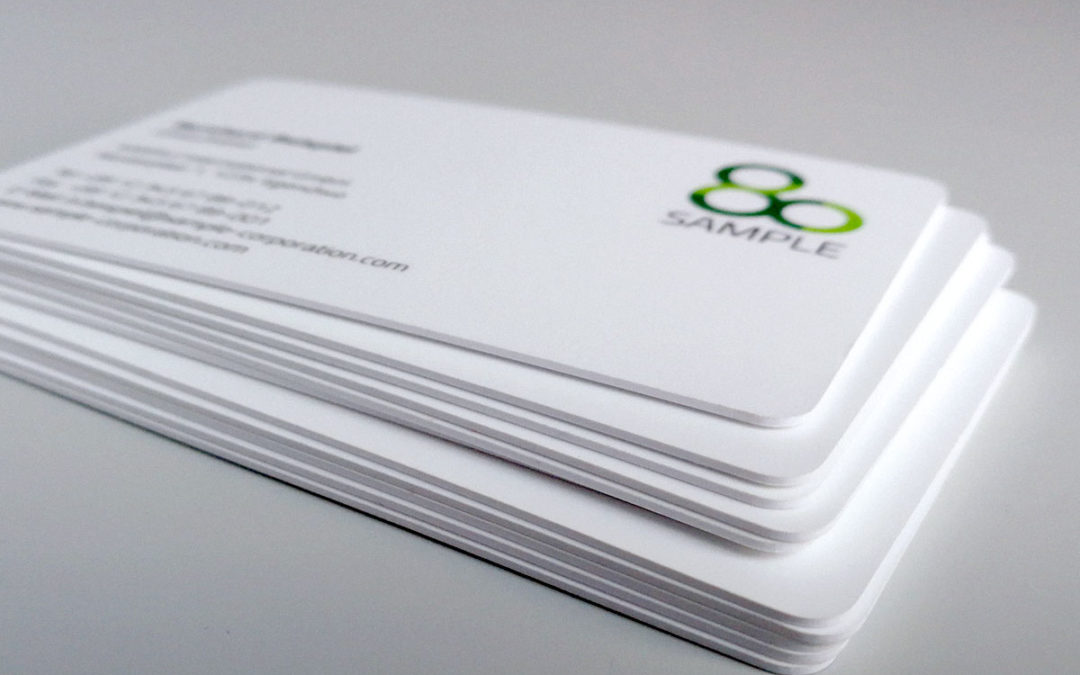
Cards in this range have a noticeable heft. They feel like solid plastic or thin cardboard. This weight is ideal for luxury brands, real estate agents, hotel managers, and law firms. The card makes a statement. However, printing on very thick paper may require a specialised printer and more expensive finishing (e.g., edge painting, foil stamping). It is an ideal option so when ordering ensure to ask your business card printing services in Duabi for this papers.
420–500 GSM (Ultra-Premium / Executive)
These are often called “thick board” or “plastic‑like” cards. They do not bend at all. They are used by high‑end jewellery brands, private banking relationship managers, and some creative agencies. They require heavy lamination to protect the edges. The downside is that they can be too rigid to fit into some slim cardholders or wallet slots.
Comparison Table: GSM vs. Performance in Dubai Conditions
GSM RangeThickness (approx)Resistance to curlingPerceived qualityBest for
| 250 – 280 | 0.30 – 0.35 mm | Poor without laminate | Standard | Bulk events, short‑term use |
| 300 – 350 | 0.38 – 0.45 mm | Good | Professional | Most businesses, consultants, corporate |
| 360 – 400 | 0.48 – 0.55 mm | Excellent | Premium | Luxury retail, real estate, lawyers |
| 420 – 500 | 0.60 – 0.80 mm | Superior (may not flex) | Ultra‑premium | High‑net‑worth, exclusive clubs |
Finishing: The Hidden Partner of GSM
A high GSM alone won’t save your card in Dubai’s summer. The finish matters equally. Here are the most common finishes and how they interact with paper weight:
- Gloss UV coating: Adds a shiny, hard layer. Protects against scratches and humidity. Works well on 300–350gsm. Avoid on ultra‑thick (over 400gsm) as the coating may crack at the edges.
- Matte lamination: Soft, velvety feel. Excellent for luxury cards (360+gsm). Resists fingerprints and gives a sophisticated look.
- Soft‑touch laminate: Very popular in Dubai’s real estate and creative sectors. It feels like velvet and works beautifully on 350–400gsm.
- Spot UV (raised gloss): Adds a textured gloss on specific areas (logo, name). Best on 350–450gsm thick boards because the thickness prevents warping under the heat of UV lamps.
Industry‑Specific Recommendations
Based on thousands of orders printed for Dubai clients, here is what works best for each industry:
Industry / RoleRecommended GSMRecommended FinishRationale
| Real Estate Agents | 360 – 400 | Soft‑touch or matte laminate | Perceived value; agents hand out many cards – durability is key. |
| Corporate / Banking | 300 – 350 | Matte UV or gloss | Professional, crisp, withstands pocket wear. |
| Creative / Design Agencies | 320 – 380 | Uncoated or soft‑touch + spot UV | Texture and tactile design matter; uncoated feels premium but needs higher GSM. |
| Startups / Tech | 300 – 330 | Gloss UV | Cost‑effective yet modern; gloss protects against heat. |
| Luxury Retail / Jewellery | 400 – 450 | Soft‑touch + foil stamping | Thickness signals exclusivity; foil accent complements luxury positioning. |
| Construction / Engineering | 350 | Gloss UV | Dirty hands, job sites – gloss protects; heavy enough to resist dust. |
| Healthcare Professionals | 300 – 350 | Matte laminated | Easy to clean, holds up in clinical environments. |
Common Mistakes to Avoid
- Choosing GSM based on price only: The cheapest (250gsm) will curl and look unprofessional after a month. The saving is negligible compared to the lost impression.
- Ignoring coating: An expensive 400gsm card without lamination will fray at the edges and absorb moisture, causing swelling.
- Double‑sided printing on very thick paper: Cards above 420gsm may show shadowing or misalignment on double‑sided designs. Always request a test print.
- Forgetting about wallet fit: Cards above 450gsm + lamination can be too thick for standard card slots. For clients who carry cards daily, 350–380gsm is the sweet spot.
Expert Verdict: The Best GSM for Most Business Cards in Dubai
For the vast majority of professionals – whether you are a manager, entrepreneur, consultant, or salesperson – the optimal choice is 350gsm with matte or soft‑touch lamination. This weight provides excellent rigidity, resists Dubai’s humidity, feels premium in hand, and fits easily into any wallet. If you want to make a stronger luxury statement, move up to 380–400gsm with soft‑touch or spot UV. Avoid anything under 300gsm unless you are printing thousands of cards for a one‑week event.
Ultimately, the best paper is the one that reflects your brand’s values while surviving the reality of Dubai’s environment. A high‑quality card often stays in the recipient’s wallet longer – and that is the true ROI.
Frequently Asked Questions
Can I print 400gsm on any printer?
No. Most home or office printers cannot handle paper thicker than 250gsm. Professional commercial printers (like those used by Dubai’s print shops) have press lines designed for 350–600gsm. Always use a professional printing service for business cards.
Does lamination increase the effective GSM?
Yes, lamination adds about 30–50 microns of thickness, which makes the card feel slightly stiffer. A 300gsm card with lamination feels similar to an unlaminated 350gsm card.
What GSM do ultra‑luxury cards in Dubai use?
Some premium print houses offer 480–520gsm “double thick” cards, often made by bonding two sheets of 260gsm board together. These are used for VIP client cards, but they are expensive and may not fit standard cardholders.
By understanding GSM, finishes, and Dubai’s specific climate challenges, you can order business cards that leave a lasting impression – not a curled, faded mess. When in doubt, ask your printer for physical samples of different weights and finishes before committing to a large run.