
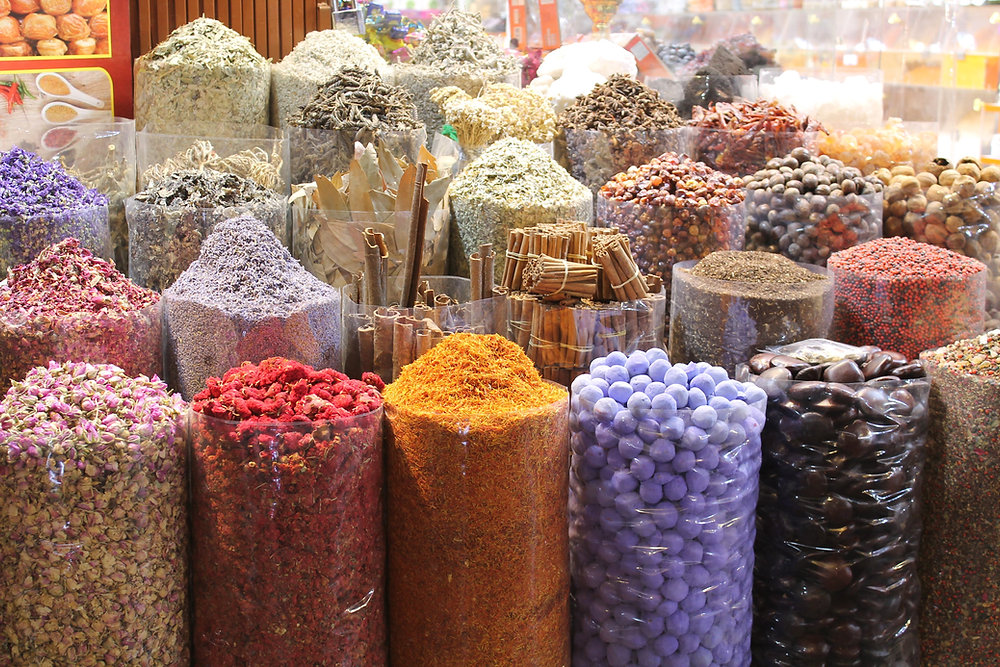
This is not a polished mall. This is a sensory maze of narrow lanes, towering spice pyramids, and the fragrant soul of Old Dubai. For Dubai residents, expats, and tourists, the Spice Souk offers an authentic journey into the city’s trading past.
This 2026 guide covers everything: exact location, updated opening hours, what spices to buy, price ranges, bargaining tips, how to get there by metro or abra, and nearby attractions. Whether you are a food lover hunting for premium saffron or a culture enthusiast seeking the “real Dubai,” this guide delivers clear, practical, and verified information to make your visit memorable and rewarding.
Table of Contents
How To Reach The Spice Souk?
Getting to the Spice Souk is straightforward, with multiple transport options connecting you to this historic Deira landmark. The Dubai Spice Souk is located in the Al Ras district of Deira, on the northern bank of Dubai Creek. It sits right next to the famous Gold Souk, making it easy to visit both markets in one trip.
By Dubai Metro: Al Ras Station (Green Line)
The nearest and most convenient metro station is Al Ras Metro Station on the Green Line. From the station, the Spice Souk is a short 3-minute walk. Alternatively, you can alight at Gold Souq Metro Station, also on the Green Line, which is another close walking option. Dubai Metro operating hours are:
- Monday–Thursday 05:00–00:00
- Friday 05:00–01:00 (next day)
- Saturday 05:00–00:00, and Sunday 08:00–00:00.
By Abra (Water Taxi): The Scenic Route
For a truly traditional experience, take an abra (water taxi) across Dubai Creek. The abra ride costs just AED 1 per person. You can board from the Old Souk (Bur Dubai) side and cross to the Deira Old Souk Abra Station, which is steps away from the Spice Souk. This scenic journey offers stunning views of Dubai’s historic buildings and the creek’s bustling dhow activity. RTA operates abra routes including CR5 (Al Fahidi ↔ Deira Old Souq).
By Taxi, Bus, Or Car
Taxis and ride-hailing services are the fastest door-to-door options, especially if you are carrying bags of spices. RTA buses also serve the area; you can get dropped off at Al Ghubiana Bus Station 47, located close to the Spice Souk. If you are driving, there is convenient parking space next to the souk.
What To Buy: Spices, Herbs, And Treasures
The Spice Souk is a treasure trove of flavors, aromas, and cultural artifacts. Here is what you should look for.
Premium Spices And Signature Blends
The souk offers an extensive array of spices sourced from India, Iran, Morocco, and beyond. You will find golden turmeric, deep red saffron, curled cinnamon, vibrant green cardamom, cloves, chili powder, dried limes, sumac, and rose petals piled into colorful mounds. Two must-try regional blends are:
- Za’atar – A tangy, herbal blend of sesame seeds, thyme, and sumac.
- Baharat – A warm, aromatic mix of cinnamon, cardamom, and cloves.
Other popular finds include cumin, fenugreek, peppercorn, nutmeg, and mace.
Saffron: The Red Gold
Saffron is one of the souk’s most prized offerings. High-quality Negin saffron typically costs between AED 15 and AED 20 per gram. If you see saffron priced significantly lower, be cautious — it may be of inferior quality or mixed with other substances.
Dried Fruits, Nuts, And Teas
Beyond spices, the souk is famous for its dried fruits and nuts. You will find sweet Iranian dates, crunchy pistachios, almonds, and walnuts. Dried fruits like apricots, figs, and raisins glisten like jewels. Traditional Arabic teas and herbal infusions are also widely available.
Incense, Oils, And Traditional Goods
The souk also offers frankincense, myrrh, and Bakhoor – wood chips soaked in fragrant blends used to scent homes. Aromatic oils, perfumes, and Oudh (agarwood) are also available. Additionally, you will find textiles, rugs, artifacts, traditional lamps, and handcrafted souvenirs.
Prices And Bargaining: What To Expect
Understanding pricing and the art of negotiation will enhance your shopping experience at the Spice Souk.
General Price Ranges
Prices at the Spice Souk vary widely depending on the quality and type of product. Here is a general guide:
| Item | Price Range (AED) |
|---|---|
| High-quality Negin saffron | 15 – 20 per gram |
| Standard spice packs | 10 – 25 per pack |
| Dried fruits and nuts | Varies by weight and type |
| Oudh (agarwood) | 1,000 – 40,000 |
| Persian rugs | From 400 upwards |
Most trade in the souk is determined by haggling; you will rarely find price tags. Cash is preferred, as credit cards are rarely accepted for smaller transactions.
How To Bargain Like A Local
Bargaining is expected and is part of the souk experience. Here are some proven tips:
- Start at 50–60% of the asking price and work your way up.
- Be polite and smile – a friendly approach goes a long way.
- Never accept the first price – it is always inflated for tourists.
- Know the market value – do some research on saffron and spice prices beforehand.
- Walk away if the price doesn’t meet your budget – the vendor will often call you back with a better offer.
- Ask vendors to properly seal and label your goods for customs when traveling.
Vendors are often enthusiastic and may actively approach you. To enjoy a more relaxed experience, avoid eye contact, politely say “no, thank you,” and walk away.
Nearby Attractions: Making A Day Of It
The Spice Souk is part of a larger historical and cultural ecosystem in Deira. Plan to explore these nearby attractions.
Gold Souk: Glittering Neighbor
Right next to the Spice Souk, the Gold Souk is one of the world’s most famous traditional jewellery markets. Over 380 shops sell gold, diamonds, silver, and precious stones. You can walk between the two souks in 5 to 10 minutes. Bargaining is part of the ritual here too. Location: Deira, near Al Ras Metro Station, opposite Dubai Creek. Hours: Saturday–Thursday 10 AM–10 PM, Fridays from 4 PM.
Deira Perfume Souk: A Scented Journey
Just past the Spice Souk, you will find the Deira Perfume Souk. Here, the air is filled with oud, attar oils, and bakhoor smoke. Shops are smaller, with jars, flasks, and custom blends. Sellers let you sniff, test, and compare, making it a great place to find a unique signature scent. Location: Along Sikkat Al Khail Street, near the Gold and Spice Souks. Hours: Daily from 10 AM to 10 PM.
Textile Souk: Across The Creek
Cross Dubai Creek by abra to reach the Textile Souk in Bur Dubai. This market is a riot of fabric: silk, cotton, brocades, pashminas, and lace. Many shops offer tailoring on-site. Location: Bur Dubai, across the Creek from the Deira souks. Hours: Daily from 10 AM to 10 PM.
Historical & Cultural Sites
Recent initiatives, such as guided tourist trails launched in 2025, connect the Spice Souk to nearby historical sites. These include the Al Ahmadiya School, one of Dubai’s oldest educational institutions, and the original Dubai Municipality building, now a museum. The Dubai Municipality Museum is just a one-minute walk from the Gold Souk. Other nearby attractions include the Museum of the Poet Al Oqaili and Heritage House.
Pro Tips For A Memorable Visit
These practical tips will help you navigate the Spice Souk like an experienced visitor.
Plan Your Route
A classic 2- to 3-hour route works well: take the Metro to Al Ras or Gold Souq station, start at the Spice Souk to smell, sample, and buy small items first, then walk 5–10 minutes to the Gold Souk to compare designs and making charges. Finish with tea or juice nearby.
Dress Modestly And Stay Hydrated
The souk is an open-air market, so dress modestly out of respect for local culture. Wear comfortable walking shoes and bring water, especially if visiting during the day. The heat can be intense, particularly in summer.
Visit Twice For Best Results
A smart strategy is to visit the Spice Souk twice: first to explore and compare prices, and second to make your purchases. This approach helps you avoid impulse buying and ensures you get the best value.
The Spice Souk is far more than a shopping destination — it is a living museum of aromas, a window into Dubai’s trading heritage, and a sensory journey through the flavors that define the region. As Dubai continues to grow skyward, this historic market in Deira remains a grounded, authentic counterpoint to the city’s gleaming towers. For residents and visitors alike, the Spice Souk offers an unforgettable taste of the “real Dubai” — one that lingers long after the scents of saffron and cinnamon have faded from your clothes.
Opening Hours And Best Time To Visit In 2026
The Spice Souk operates on a schedule that reflects both its traditional roots and the needs of modern visitors.
Standard Weekly Timings
The Spice Souk is open daily, but hours vary between weekdays and Fridays. Most shops follow these general timings:
| Day | Opening Hours |
|---|---|
| Saturday – Thursday | 10:00 AM – 10:00 PM |
| Friday | 4:00 PM – 10:00 PM |
Many shops close for a midday break, typically from 1:00 PM to 4:00 PM. On Fridays, most shops open later in the afternoon after prayers. Some sources suggest that shops may open as early as 8:00 AM and close around 9:00 PM, but the 10:00 AM–10:00 PM window is the most reliable planning guide.
Best Time To Visit For The Full Experience
The best time to visit the Spice Souk is in the late afternoon or evening, between 5:00 PM and 9:00 PM. During these hours, the souk is lively, the temperatures are cooler, and all shops are open. Mornings before noon are also good for a quieter experience. Avoid the midday heat, especially in summer, as many stalls close and the open-air lanes can become uncomfortably hot.