
Europe remains one of the most sought-after destinations for UAE residents, but the path to a Schengen visa has shifted significantly in 2026 with new digital systems, higher fees, and unprecedented appointment backlogs.For UAE residents planning a European holiday, business trip, or family visit in 2026, understanding the updated Schengen visa rules is essential.
This guide covers everything you need to know, who needs a visa, the new ETIAS and EES systems, required documents, updated fees, how to secure an appointment, processing times, and the most common reasons for rejection. Whether you are a first-time applicant or a frequent traveller, this comprehensive resource will help you navigate the 2026 Schengen visa process with confidence.
Table of Contents
Who Needs A Schengen Visa From The UAE In 2026
Your passport nationality determines whether you need a Schengen visa, not your UAE residency status.
UAE Nationals Are Visa-Free
UAE citizens travelling on an Emirati passport do not need a Schengen visa for short stays of up to 90 days within any 180-day period. This applies to tourism, business visits, and family trips across all 29 Schengen countries. However, UAE nationals will soon need to register with the European Travel Information and Authorisation System (ETIAS), expected to launch in the last quarter of 2026. This is a digital pre-travel authorisation, not a visa, and will cost approximately EUR 7. It is valid for multiple entries over a three-year period. A six-month transition period is expected before it becomes mandatory.
Expat Residents Require A Visa
For everyone else living in the UAE – holders of Indian, Pakistani, Filipino, Egyptian, Bangladeshi, British, American, or any other non-exempt passport – a Schengen visa is mandatory before entering Europe. Your UAE residence visa does not grant special entry rights, but it significantly strengthens your application as it demonstrates stable ties to the UAE and reduces perceived immigration risk.
Who Is Exempt
Certain passport holders are exempt from Schengen visa requirements. The full list of visa-exempt nationalities can be verified using the European Commission’s official visa requirement checker. If you hold a valid Schengen visa or residence permit from a Schengen country, you do not need to apply for a new visa for short stays.
Major 2026 Updates: ETIAS, EES, And Fee Changes
Three significant changes have reshaped the Schengen visa landscape for UAE residents in 2026.
ETIAS Launch Expected In Late 2026
The European Travel Information and Authorisation System (ETIAS) is confirmed to launch in the fourth quarter of 2026. This system will require visa-exempt travellers – including UAE nationals – to obtain an online pre-travel authorisation before entering any Schengen country. ETIAS is not a visa but an online security check. The authorisation will cost approximately EUR 7 and is valid for multiple entries over three years. A six-month transition period will follow the launch before it becomes mandatory.
Entry/Exit System (EES) Now Fully Operational
The Schengen Entry/Exit System (EES) started its progressive rollout on 12 October 2025 and became fully operational across the Schengen Area on 10 April 2026. This digital system records entries, exits, and refusals of entry for non-EU nationals travelling for short stays. It captures facial images, fingerprints, and passport data at the border. EES is automatic and requires no advance application, but expect slightly longer processing time at first entry. The system replaces passport stamps and automatically tracks your 90/180-day quota.
Schengen Visa Fee Increase To EUR 90
As of June 2024, the standard Schengen visa fee increased from EUR 80 to EUR 90 for adults. Children aged 6 to 12 pay EUR 45, while children under 6 are exempt. This fee applies across all 29 Schengen member countries. On top of the consulate fee, VFS Global and BLS International charge a service fee that varies by country. The total cost for a Schengen visa from Dubai typically ranges between AED 1,200 and AED 1,800 once all fees are factored in. Additional service and appointment fees at visa centres can add substantially to total travel costs.
Required Documents For Schengen Visa Application
A complete and accurate document set is the foundation of a successful Schengen visa application.
Passport And Photograph Requirements
Your passport must be valid for at least three months beyond your planned departure date from the Schengen Area. It must have been issued within the last 10 years and contain at least two blank pages on a single spread for visa stamps. Your passport-size photograph must be recent (taken within the last 6 months), 35mm x 45mm, with a white or light background, and show your full face clearly.
UAE Residence Documentation
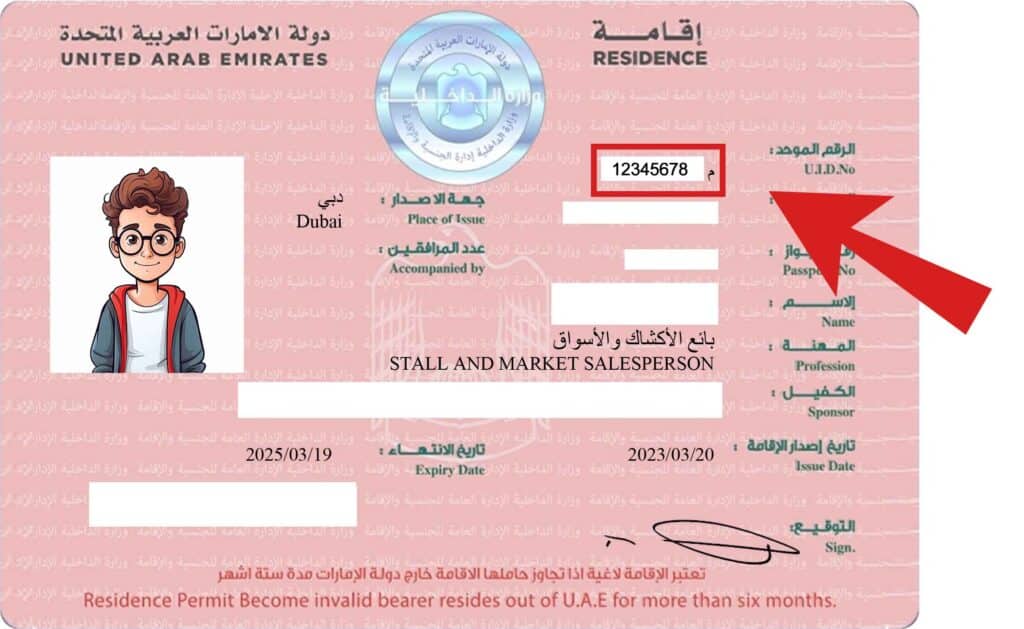
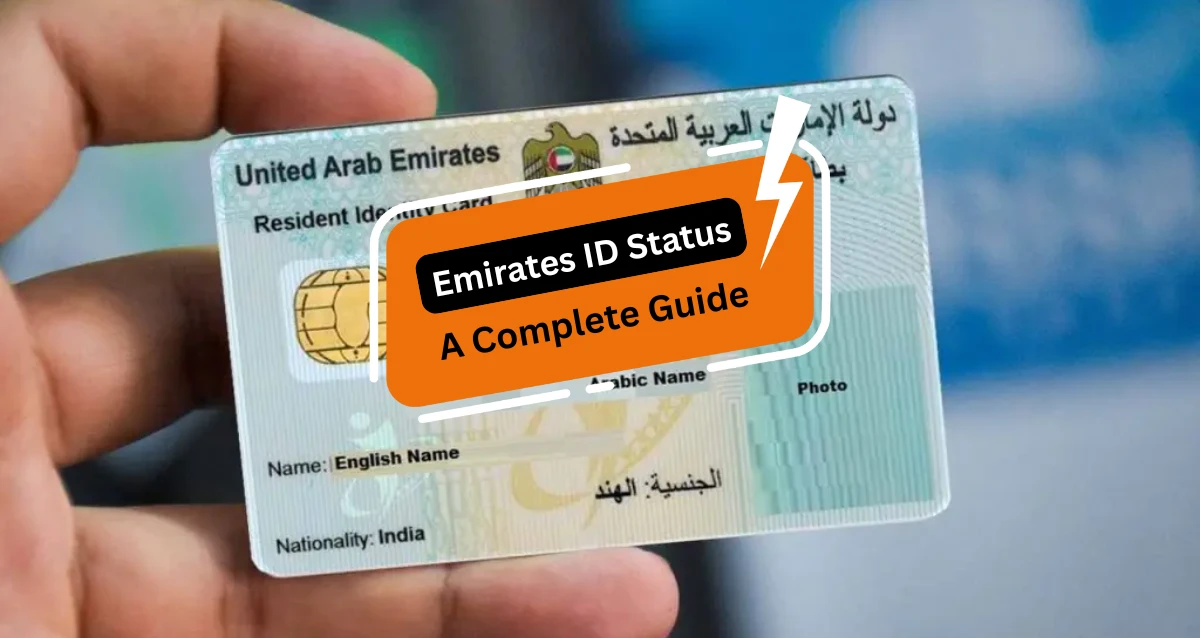
You must provide a valid UAE residence visa, either stamped in your passport or on your Emirates ID. Most Schengen countries require your residence visa to be valid for at least three months after your return from Europe. However, Sweden is stricter and requires at least six months of validity from the date of application submission. Include a copy of your Emirates ID (front and back).
Financial Means And Bank Statements
You must prove you can support yourself financially throughout your trip – for travel, accommodation, and daily expenses – without relying on public funds in Europe. Provide bank statements from the last 3 to 6 months showing consistent transactions and sufficient balances. A guideline is approximately EUR 40 to 50 per day of your stay. If you are sponsored, include a notarised sponsorship letter and the sponsor’s financial documents.
Travel Medical Insurance
Travel insurance is a legal requirement for all Schengen visa applicants, not optional. Your policy must provide minimum coverage of EUR 30,000 for medical emergencies, including emergency hospitalisation and repatriation. The insurance must be valid across all Schengen countries you plan to visit and cover your entire stay. Coverage starting from as low as AED 100 per week is available from providers in the UAE.
Travel Itinerary And Accommodation
Provide a round-trip flight reservation showing entry and exit from the Schengen Area. A reservation is sufficient – you do not need a confirmed or paid ticket. For accommodation, include hotel booking confirmations with full address, dates, and your name. If staying with friends or family, provide an invitation letter from your host plus their proof of residence in the Schengen country. Provide a clear, day-by-day itinerary explaining your travel purpose and plans.
Employment And Status Proof
If you are employed, provide a No Objection Certificate (NOC) from your employer stating your designation, salary, and approved leave dates. If you are self-employed, include your trade license legally translated into English. If you are a student, provide an enrolment letter from your institution plus an NOC from a parent or guardian.
Additional Documents
Include a cover letter explaining your travel purpose, itinerary, and dates, along with your contact details and UAE address. Copies of any previous Schengen visas are also helpful. For business travellers, include an official letter from your sponsoring entity in the UAE explaining your position and the purpose of your visit.
Step-By-Step Application Process
The Schengen visa application process follows a clear sequence of steps that must be completed in the correct order.
Step 1: Determine The Correct Consulate
Apply to the consulate of the country where you will spend the most time during your trip. If your trip covers multiple Schengen countries equally, apply to the country of first entry. For example, if you are spending 5 days in France and 3 days in Italy, you must apply through the French consulate.
Step 2: Book An Appointment
Most Schengen countries process visa applications through VFS Global in the UAE. There are exceptions: Lithuania, Spain, and some other countries use BLS International. Italy uses both VFS Global and Cox & Kings Global Services. Slovakia and Poland accept applications directly through their embassies in Abu Dhabi. There are two VFS Visa Application Centres in the UAE: Dubai and Abu Dhabi. The Abu Dhabi centre only accepts applications from residents holding Al Ain or Abu Dhabi residency. Residents of Dubai, Sharjah, Ras Al Khaimah, Ajman, Umm Al-Quwain, or Fujairah must apply in Dubai.
Step 3: Complete The Application Form
Each individual – regardless of age – requires a separate application form. For Belgium, the form is completed through the Visa on Web (VOW) portal, separate from VFS Global. The form must be completely filled in, signed, and dated. Ensure accurate and consistent dates and names across all documents.
Step 4: Gather And Submit Documents
Compile all required documents according to the checklist provided by the visa centre. Book an appointment before finalising every detail of your travel itinerary – secure a slot first, as documents can be gathered while waiting for the appointment date. You can book an appointment up to six months before your intended travel date.
Step 5: Attend The Appointment
Attend your appointment at the designated visa centre. Submit your documents, provide biometrics (fingerprints and photograph) if required, and pay the visa and service fees. Walk-ins without an appointment are not accepted.
Step 6: Wait For Processing
After submission, your application will be processed by the consulate. Processing time is typically 15 calendar days, but can extend to 45 days or more depending on the country and time of year.
Step 7: Collect Your Passport
Once a decision is made, you will be notified to collect your passport from the visa centre. If approved, your passport will contain the Schengen visa sticker.
Appointment Booking In 2026: The Major Bottleneck
Securing an appointment is the most significant challenge for Schengen visa applicants in 2026.
Current Appointment Wait Times
Appointment lead times for Schengen visas in the UAE have stretched to 45 to 60 days, roughly double the waits seen in early 2025. Slots for popular destinations like Spain, France, Germany, Italy, and Greece are almost fully booked for summer 2026. Slots surface without notice and vanish within seconds.
Why Appointments Are Scarce
Several factors have converged in 2026. Seasonality remains a major factor – summer months (June to September), winter holidays, and Eid al-Adha periods generate enormous demand. Additionally, availability of slots has sharply decreased for popular destinations. Operational changes within visa centres have also affected capacity, with some centres suspending or significantly reducing appointments for certain countries due to regulatory updates.
How To Secure An Appointment
Book an appointment as early as possible – up to six months before your intended travel date. Check the visa centre website regularly for cancellations or new slots. Consider applying through a less popular Schengen country if your itinerary allows. Some UAE residents are turning to appointment booking bots, which cost approximately AED 200 for a single country or AED 350 for all Schengen countries for a 31-day subscription. Travel agencies charge AED 800 to 1,200 per person just for booking an appointment.
Processing Times And Timelines
Understanding the timeline from appointment booking to visa issuance is crucial for travel planning.
Appointment Waiting Period
Securing an appointment is the first bottleneck. Current wait times range from 45 to 60 days. The bottleneck is most severe for summer travel, with popular destinations almost fully booked.
Visa Processing Time After Submission
Once your documents are submitted, the official processing time is approximately 15 calendar days. However, actual processing times vary by country. Spain takes approximately 3 weeks, France takes 2 weeks, Germany takes 15 to 45 days, Italy takes 2 weeks, and Greece takes 2 to 3 weeks. The bottleneck is the appointment itself – not the embassy processing.
Recommended Planning Timeline
Travel consultants advise UAE residents to begin visa documentation and booking processes as early as six months before travel – for example, January for a July holiday. Since Schengen visa rules allow applications up to six months prior to travel, this aligns with embassy guidelines.
Visa Types And Multiple-Entry Options
Not all Schengen visas are the same. The type issued depends on your travel purpose, history, and financial standing.
Single-Entry Visa (Type C)
This is the most common visa for first-time travellers or those visiting a single country. It allows one entry into the Schengen Area for up to 90 days within any 180-day period. Once you leave, you cannot re-enter.
Multiple-Entry Visa
Frequent travellers with a strong compliance record may qualify for multiple-entry visas with longer validity. The European Commission is proposing to extend multiple-entry Schengen visas beyond the current five-year maximum for trusted travellers. This change would significantly cut processing time, costs, and uncertainty for UAE residents who travel often to Europe for work, leisure, or family visits. The proposed changes are not yet in force and require further legislative approval.
Long-Stay Visa (Type D)
For stays exceeding 90 days, a long-stay visa is required. This applies to purposes such as marriage, cohabitation, work permits, student visas, family reunion, and au pair arrangements.
Common Reasons For Schengen Visa Rejection
Understanding why applications get rejected can help you avoid the same pitfalls.
Incomplete Or Incorrect Documentation
Missing documents or mistakes in your application are one of the leading causes of visa refusal – even if everything else is in order. Double-check your passport validity (at least 3 months beyond departure), ensure your visa form is fully completed, and verify that dates and names are consistent across all documents.
Insufficient Proof Of Financial Means
You must prove you can support yourself throughout your trip. Provide recent bank statements (3 to 6 months) with consistent transactions and sufficient balances. A guideline is approximately EUR 40 to 50 per day. If sponsored, include a notarised sponsorship letter and the sponsor’s financial documents.
No Valid Schengen Travel Insurance
Travel insurance is a legal requirement. Your policy must provide minimum coverage of EUR 30,000 for medical emergencies and repatriation, be valid for all Schengen countries, and cover your entire stay.
Unclear Purpose Of Stay Or Inconsistent Itinerary
Consulates need to be convinced of why you are travelling and where you will stay. Vague explanations or conflicting flight, hotel, and visit information can lead to refusal. Provide a day-by-day itinerary, confirmed hotel bookings, and clear plans for each part of your trip.
Not Proving Intention To Return Home
Visa officers assess whether you are likely to leave the Schengen Area before your visa expires. Weak ties to your home country – such as short-term employment, lack of family commitments, or no strong documentation – can raise doubts. Include an employment letter with approved leave dates and proof of property, family, or long-term commitments in the UAE.
Invalid Travel Bookings Or Misleading Documents
Dummy hotel or flight bookings that cannot be verified are a common trigger for rejection. Include actual confirmed reservations, not generic placeholders.
Previous Visa Violations Or Overstays
Visa systems such as the Visa Information System (VIS) track past visa actions. Prior overstays or violations of visa conditions will negatively impact your application.
Pro Tips For A Successful Schengen Visa Application
These practical tips will help you navigate the process and improve your chances of approval.
Apply Early – Very Early
Start your application process at least six months before your intended travel date. Book an appointment before finalising your itinerary. Monitor the visa centre website regularly for cancellations or new slots.
Be Accurate And Consistent
Ensure all dates, names, and details are consistent across your passport, application form, flight reservations, hotel bookings, and travel insurance. Any discrepancy can trigger a rejection.
Provide Strong Evidence Of Ties To The UAE
Your UAE residency is a significant advantage – it demonstrates stable ties to the UAE and reduces perceived immigration risk. Include your employment contract, property documents, and family commitments to strengthen your case.
Consider Alternative Destinations
If you are unable to secure a Schengen appointment, consider alternative destinations where visa processes are easier or faster, such as Japan, the UK, or Southeast Asia. UK visas can sometimes be processed more quickly, even within days for priority services, though they often come with significantly higher costs.
The 2026 Schengen visa landscape for UAE residents is defined by three key realities: unprecedented appointment backlogs, new digital systems like ETIAS and EES, and higher fees. Success requires early planning, meticulous documentation, and patience. As the European Commission continues to modernise its visa and border systems with digital visas and longer-term multiple-entry options for trusted travellers, the future promises easier processing for frequent visitors. For now, start your application early, verify every document, and keep a close eye on appointment availability. Europe is waiting – but you need to plan well in advance to get there.