

When considering property investment in Dubai, it’s crucial to understand the tax landscape. Unlike many global cities, Dubai has no annual property tax on ownership, making it an attractive choice for buyers. Instead, a 4% property transfer fee is applied during purchase, along with a 5% housing fee linked to rental value. With no capital gains or inheritance taxes, the financial benefits are clear. However, there are more details that can impact your investment decisions considerably.
Table of Contents
Understanding the Property Tax System in Dubai
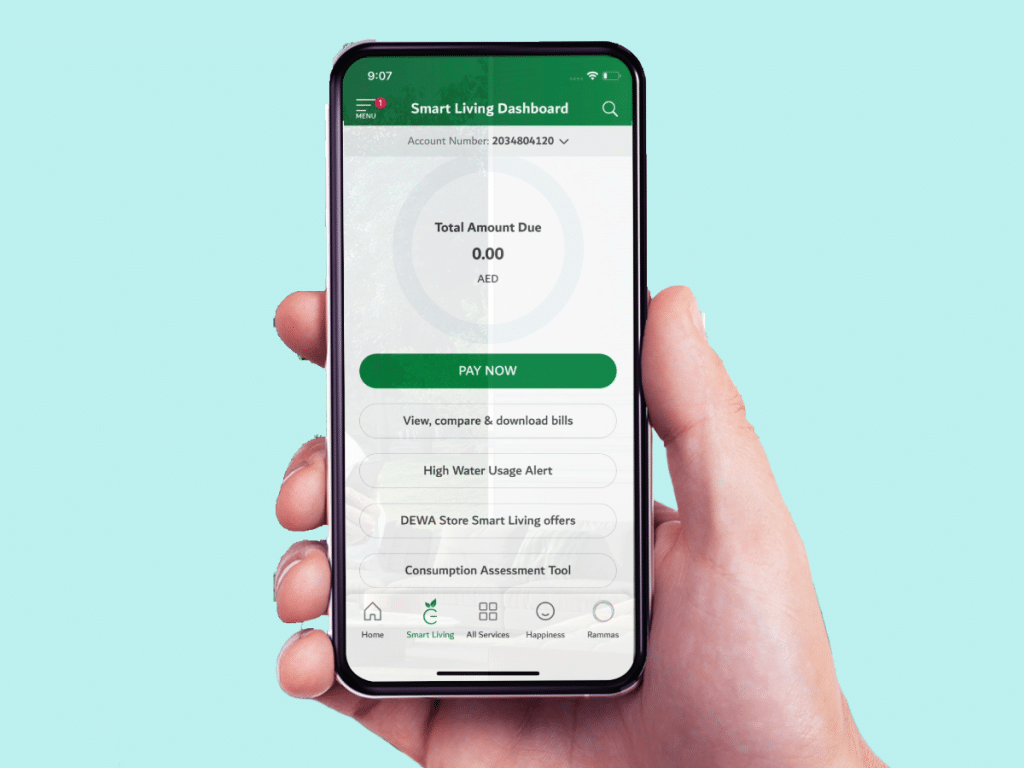
When you consider investing in property in Dubai, it’s vital to understand the local property tax system, which is quite different from many other major cities worldwide. In Dubai, there’s no property tax on ownership, making it an attractive destination for investors. However, you should be aware of other associated costs. For instance, you’ll pay a 4% property transfer fee based on the property’s value and a housing fee of 5% of the average rental value, included in your DEWA bill. These costs, while not classified as traditional property taxes, are important to factor into your budget. Understanding these elements can help you maximize your investment opportunities and guarantee successful property ownership in Dubai.
Property Tax Comparison: Dubai vs London
While both Dubai and London offer unique real estate opportunities, their property tax systems differ considerably, impacting potential investors. In Dubai, there’s no annual property tax, making it an attractive destination for property investment. You’ll only encounter a 4% transfer fee and minimal ongoing costs. In contrast, London imposes council tax based on property value, along with stamp duty that can reach over 12% for higher-value properties. Additionally, rental income tax in London can hit up to 45%, along with capital gains and inheritance taxes. These tax implications can greatly affect your returns, making Dubai a more favorable option for those looking to maximize their investment. Understanding these differences is essential in making informed decisions.
Property Tax Comparison: Dubai vs New York
Dubai and New York represent two distinct approaches to property taxation, each with unique implications for property owners and investors. In Dubai, there’s no annual property tax, which simplifies your property investment strategy. You only face a 4% transfer fee when buying property. In contrast, New York imposes an annual property tax ranging from 0.7% to 2.1% of the assessed value, alongside various transfer taxes and a high rental income tax that can reach nearly 50%. These tax implications can greatly affect your overall returns. Understanding the differences between these two markets is essential for making informed investment decisions. Ultimately, Dubai’s tax system can offer a more favorable environment for property investors compared to New York.
Benefits of Dubai’s Property Tax System
The absence of property tax in Dubai offers multiple advantages for property owners and investors. You can enjoy lower overall costs compared to many other countries, allowing you to retain a larger share of your rental income as profit. Plus, the transaction costs remain relatively low, making it easier to enter the market.
Here’s a quick overview of the benefits:
| Benefits | Details |
|---|---|
| Long Term Investment | Stable market with growth potential |
| High Rental Yields | Competitive rates of 5-8% |
| Lower Costs | No property tax or rental income tax |
| Investor-Friendly | Tax-free capital gains |
Common Myths About Dubai Property Taxes
What misconceptions might you have about property taxes in Dubai? Many believe that Dubai imposes high property taxes, but this is a myth. In reality, there’s no personal income tax, capital gains tax, or property tax on residential properties. You might also think commercial property taxes are steep; however, they are subject to a 9% corporation tax on profits and a 5% VAT on sales, which is relatively low compared to other markets. Another common myth is the existence of high hidden charges. While there are fees like service charges and registration costs, they are generally low by global standards. This myth clarification is essential to dispelling tax misconceptions and understanding the benefits of investing in Dubai’s property market.
Rates & Fees for Property Owners in Dubai
Understanding the rates and fees associated with property ownership in Dubai is vital for anyone considering investing in real estate. As a property owner, you’ll encounter several fees, including a property transfer fee of 4% of the sale price, a mortgage registration fee of 0.25% of the mortgage amount, and a municipality housing fee of 5% based on the property’s annual rental value. Brokerage commissions are typically 2% for sales and 5% for rentals. Additionally, you’ll need to budget for a 5% Value Added Tax (VAT) and a small fee for Ejari registration. Keeping these costs in mind is essential when developing your investment strategies and evaluating property valuation to guarantee a successful investment in Dubai’s real estate market.