

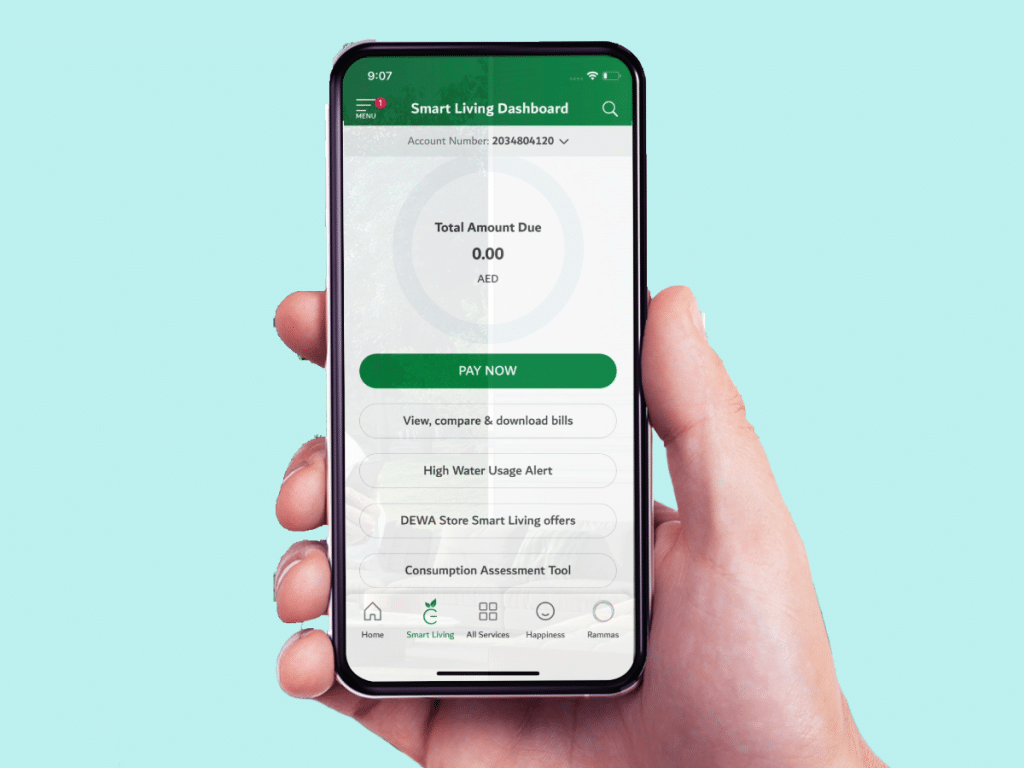
In Dubai, the average utility bill can account for up to 10% of your monthly expenses, making it essential to understand how these charges are structured. From DEWA’s tiered electricity and water tariffs to district cooling fees, each component impacts your total costs. By breaking down these charges, you can identify areas for savings and better manage your budget. Let’s explore the details of each utility and how they contribute to your overall bill.
Dubai Utility Charges Breakdown
Understanding your utility charges in Dubai is essential for managing your monthly expenses. Your DEWA bill includes costs for both water and electricity, which vary based on your consumption and property type. By familiarizing yourself with the residential tariffs for electricity and water, you can make informed decisions to help keep your utility costs in check.
Water & Electricity Charges – DEWA Bill
In Dubai, your DEWA bill comprises charges for both water and electricity, which are essential services for any household. Understanding how these charges work can greatly impact your budget. Your bill includes costs for electricity and water consumption, along with a fuel surcharge and service fees. DEWA encourages water conservation and energy efficiency through a tiered pricing system, where higher usage leads to increased rates. This approach not only helps manage resources but also aligns with Dubai’s sustainability goals. It’s vital to monitor your consumption to avoid unexpected costs. By being mindful of your usage, you can contribute to environmental efforts while managing your utility expenses effectively.
Electricity Tariff (Residential and Commercial)
Electricity tariffs in Dubai are structured to reflect your consumption patterns, with rates varying based on the amount of energy you use each month. For residential users, the tariff ranges from AED 0.230 to AED 0.380 per kWh. As your usage increases, so does the rate per unit, encouraging energy efficiency. This tiered system means that if you exceed certain thresholds, you’ll notice tariff changes that can greatly impact your monthly bill. Monitoring your consumption can help you stay within lower brackets, saving you money. Additionally, commercial users face different rates, often higher, depending on their specific energy needs. It’s essential to understand these tariffs to manage your electricity expenses effectively.
Water Tariff (Residential)
When you receive your monthly DEWA bill, the water tariff for residential properties is an important component to take into account. DEWA’s water tariff operates on a slab system, meaning the rate increases with higher consumption. For instance, if you use between 0 to 27 cubic meters, you’ll pay AED 7.700 per cubic meter. As your usage rises, the tariff adjustments apply, reaching AED 10.120 for over 54 cubic meters. This structure encourages water conservation, promoting responsible usage among residents. Additionally, a fuel surcharge and 5% VAT are added to your total charges. Understanding these rates allows you to manage your water expenses effectively while contributing to Dubai’s sustainability goals.
District Cooling Charges
District cooling is an innovative solution that many modern communities in Dubai utilize to efficiently manage air conditioning needs. This system delivers chilled water from a central plant, enhancing cooling efficiency for entire buildings. Your district cooling charges will typically include a consumption charge based on your actual usage, measured in Refrigeration Tons (RT), and a capacity charge, which is a fixed monthly rate depending on your property size. Additionally, there’s often a one-time connection fee. When considering costs, it’s beneficial to conduct a cost comparison between traditional air conditioning and district cooling. Many residents find that district cooling offers a more economical and energy-efficient option, especially during the scorching summer months in Dubai.
Dubai Municipality Fees
Understanding Dubai Municipality fees is essential for residents and property owners alike. These fees, primarily the housing fee, contribute notably to public services and infrastructure maintenance in the city. Once you register your tenancy contract through Ejari, the municipality links your rent amount to your DEWA account and applies the housing fee accordingly.
Here’s a quick overview of the housing fee structure:
| Category | Details |
|---|---|
| For Tenants | Based on registered rent through Ejari |
| For Property Owners | Calculated from the estimated rental value |
| Monthly Installment | Total annual fee divided by 12 |
This fee appears as a separate line item in your DEWA bill, ensuring transparency in your monthly expenses.