

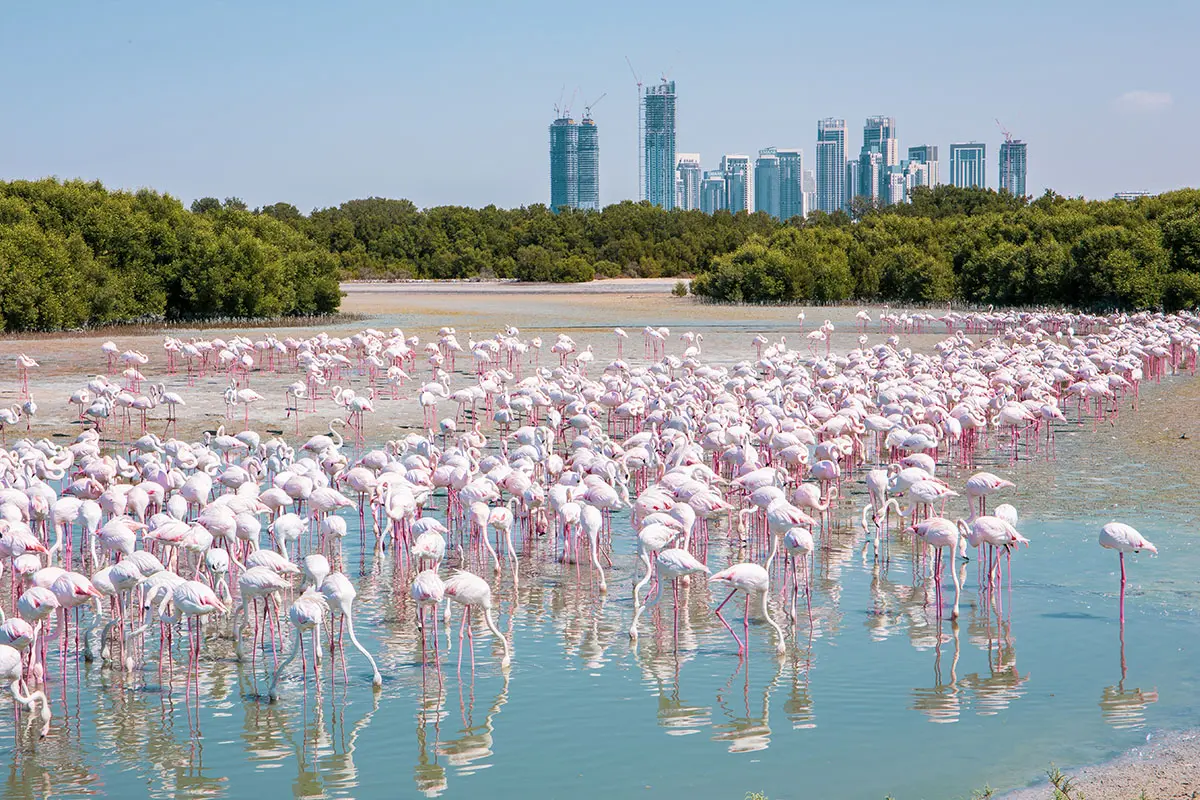
If you’re considering birdwatching in Dubai, you’ll find it’s a prime location for spotting migratory birds. The city serves as an essential stopover for numerous species due to its unique habitats. Key areas like Ras Al Khor Wildlife Sanctuary and Al Qudra Lakes are hotspots during migration seasons. You can expect to see a variety of birds, including the iconic Greater Flamingos. Understanding these locations will enhance your birdwatching experience and highlight the best times to visit.
Table of Contents
Dubai as a Migratory Highway
Dubai acts as an essential migratory highway due to its unique geographical position at the crossroads of Europe, Asia, and Africa. Each year, millions of birds rely on this route during their seasonal migrations. The city’s diverse habitats, like wetlands, deserts, and mangroves, offer critical stopover points that contribute to their ecological balance. As you observe these migratory birds, you’ll notice various species, from waders to raptors, utilizing Dubai’s resources. The best times for bird migration are during spring and autumn, when the skies are filled with travelers. Your experience in Dubai can enhance awareness of the importance of these migratory patterns and the need to protect the habitats that support them, ensuring future generations can enjoy this natural spectacle.
Pre-Visit Essentials
Before you head out for birdwatching in Dubai, it’s crucial to gather the right gear to enhance your experience. Quality binoculars and a field guide like “Birds of the Middle East” will be essential for identifying species. Planning your visit during the peak migration seasons in spring and autumn will also maximize your chances of spotting a diverse range of birds.
Key Birdwatching Gear
Having the right gear is crucial for a successful birdwatching experience in Dubai’s diverse habitats. Quality binoculars, particularly 8×42 or 10×42 types, allow you to observe birds from a distance. A spotting scope with a tripod is invaluable for viewing distant species, especially at wetlands. Don’t forget a thorough field guide like “Birds of the Middle East” to help identify what you see. Birding apps can provide additional insights on migratory routes and bird behavior. Finally, pack water bottles to stay hydrated and guarantee sun protection with a wide-brimmed hat and sunscreen. Here’s a quick checklist:
- Binoculars (8×42 or 10×42)
- Spotting scope
- Field guide
- Birding app
- Water bottles and sun protection
Best Seasons for Birdwatching
When planning your birdwatching trip, consider the timing of your visit, as the best seasons for observing a wide variety of species occur during migration periods. Spring (March to May) and autumn (September to November) are peak times for seasonal bird migrations, offering diverse species. Winter (December to February) also brings many birds seeking milder climates, while the summer heat (June to August) limits activity.
| Season | Best Birdwatching Practices |
|---|---|
| Spring | Look for migratory songbirds |
| Autumn | Watch for raptors and waders |
| Winter | Enjoy resident species in wetlands |
Top Birdwatching Hotspots in Dubai
When you’re ready to explore Dubai’s vibrant birdlife, several hotspots await your visit. Ras Al Khor Wildlife Sanctuary is famous for its flamingos, while Al Qudra Lakes provide a unique contrast between desert and water habitats. Don’t overlook the mangrove wetlands and city parks like Safa and Mushrif, which are perfect for spotting a variety of migratory birds.
Ras Al Khor Wildlife Sanctuary
Ras Al Khor Wildlife Sanctuary stands out as one of Dubai’s premier birdwatching destinations, seamlessly blending urban accessibility with rich biodiversity. This wetland sanctuary attracts over 200 bird species, making it ideal for bird photography enthusiasts. You’ll find the sanctuary’s main highlights include:
- A large resident flock of Greater Flamingos
- Greater Spotted Eagles during winter months
- Elegant Western Reef Herons
- Various waders like Red-wattled Lapwings
- Roosting flocks of Socotra Cormorants
Access is provided through two main bird hides—the Flamingo Hide and the Mangrove Hide—offering unique viewing experiences. Remember to respect the sanctuary’s rules, ensuring a fulfilling and responsible birdwatching experience at Ras Al Khor.
Al Qudra Lakes (in Dubai Desert Conservation Reserve)
Al Qudra Lakes, located within the expansive Dubai Desert Conservation Reserve, represent a unique oasis that draws both wildlife and birdwatchers alike. This artificial lake system showcases a striking contrast between the arid desert and life-sustaining water, making it a prime location for observing a variety of bird species. At Al Qudra, you can witness Lakes Wildlife that includes Greater Flamingos, Glossy Ibises, and Northern Shovelers, among others. The area is particularly notable for its bird diversity, attracting desert specialists such as Cream-coloured Coursers and Hoopoe Larks. As you explore this desert oasis, take advantage of the accessible cycle track and nearby facilities, ensuring a comfortable birdwatching experience amid the stunning desert landscape.
Mangrove Wetlands (e.g., Jebel Ali, Khor Kalba)
Dubai’s mangrove wetlands, particularly sites like Jebel Ali and Khor Kalba, present an intriguing contrast to the surrounding desert environment, offering a rich habitat teeming with biodiversity. These areas are crucial for bird conservation and support diverse mangrove ecology. Here are some key features to explore:
- Key Species: Look for the White-collared Kingfisher, various herons, and migratory passerines.
- Kayaking Opportunities: Guided tours provide a way to observe wildlife without disturbing the habitat.
- Boardwalk Access: Easily access viewing areas in Jebel Ali and Khor Kalba.
- Photography: Capture stunning images of birds in their natural mangrove settings.
- Educational Value: Learn about the importance of mangroves in coastal ecosystems.
These wetlands are essential for both resident and migratory birds, making them top birdwatching hotspots.
Safa Park / Mushrif Park
Safa Park and Mushrif Park are two excellent urban birdwatching locations in Dubai, ideal for those who want to enjoy birding without venturing far from the city. These city parks attract a variety of migratory birds, making them perfect spots for both novice and experienced birdwatchers.
| Park Name | Key Species | Amenities |
|---|---|---|
| Safa Park | White-eared Bulbul, Warblers | Cafes, Restrooms |
| Mushrif Park | Flycatchers, Shrikes | Play Areas, Walking Trails |
| Accessibility | Easy access via public transport | Nominal entry fees |
| Best Time | Early mornings and late afternoons | Seasonal migrations |
With their convenient locations and facilities, both parks provide a relaxed environment for urban birdwatching.
Notable Migratory & Resident Species to Spot
What notable migratory and resident species can you expect to spot while birdwatching in the UAE? Understanding migratory patterns can enhance your birdwatching techniques. Here are some key species to look for:
- Greater Flamingo: Iconic in large flocks at Ras Al Khor and Al Qudra.
- Socotra Cormorant: Found in coastal areas and wetlands, roosting in impressive numbers.
- Western Reef Heron: Elegant hunters commonly seen along coastlines and mangroves.
- Steppe Eagle: A large winter visitor, often perched in wetlands.
- Osprey: A year-round resident known for its fish-hunting skills.
These species reflect the diverse avian life in Dubai, making it a prime location for birdwatching enthusiasts.
Desert Specialists
In the arid landscapes surrounding Dubai, you’ll find a unique group of birds known as desert specialists. These birds have remarkable desert adaptations that allow them to thrive in harsh conditions. For instance, the Hoopoe Lark performs stunning aerial displays to attract mates, while the Cream-coloured Courser has a camouflaged appearance to evade predators. When birdwatching for these specialists, use techniques like scanning open areas during early mornings and late afternoons, as birds are most active then. A good pair of binoculars will help you spot them from a distance. Be patient and observant, as these birds often blend into their surroundings. With a bit of effort, you’ll uncover the fascinating life of Dubai’s desert avifauna.
Local Birding Groups & Tours
Several local birding groups and guided tours are available in Dubai, catering to both novice and experienced birdwatchers. Joining a birding club or participating in a guided tour can enhance your experience markedly. Here are some options to reflect upon:
- Dubai Birding Club: Offers regular meetups and events for members.
- Emirates Bird Records Committee: Engages in citizen science and records sightings.
- Guided Tours at Ras Al Khor: Experience expert-led birdwatching sessions.
- Al Qudra Lakes Tours: Explore diverse habitats with knowledgeable guides.
- Kayaking Tours: Uncover mangrove wetlands while observing wildlife.
These groups and tours provide valuable insights, making your birdwatching adventure in Dubai even more rewarding.