
Your UID is not just an ID number. It is a permanent immigration identifier that stays with you for life in the UAE. For Dubai residents, expats, and newcomers, understanding the UID number on your visa is essential for accessing government services, renewing visas, and managing your legal identity.
This 2026 guide explains exactly what the Unified Identification Number is, how it differs from your Emirates ID and visa numbers, where to find it, and why it matters. Whether you are applying for a new Emirates ID, changing jobs, or simply want to understand your documents better, this guide provides clear, practical, and verified information.
Table of Contents
What Is A UID Number In The UAE?
The Unified Identification Number (UID) is a permanent, unique identifier assigned to every individual who enters the UAE on any type of visa. It is your master immigration file number.
Core Purpose
The UID is a 9 to 15-digit code automatically generated by UAE immigration authorities when you first enter the country. It is issued by the General Directorate of Residency and Foreigners Affairs (GDRFA) and the Federal Authority for Identity, Citizenship, Customs and Port Security (ICP).
The UID serves as your permanent reference number within the government’s immigration system, linking all your visa, entry, and residency records under a single identity. Think of it as your immigration version of a social security number – a vital code that connects you to all official services in the UAE.
How The UID Number Is Generated?
You do not need to apply for a UID separately. It is generated automatically as part of the visa and residency process. When you arrive in the UAE on a visa that leads to residency – such as an employment or family sponsorship visa – immigration authorities create your UID at the port of entry. The number is then used to connect all subsequent steps: medical testing, biometrics, Emirates ID application, and visa stamping. This number is assigned to you for life, regardless of how many visas you change or how many times you leave and return.
UID Number Structure
The UID follows a logical structure that helps organize and track immigration records across the UAE’s seven emirates.
Digit Breakdown And Emirate Codes
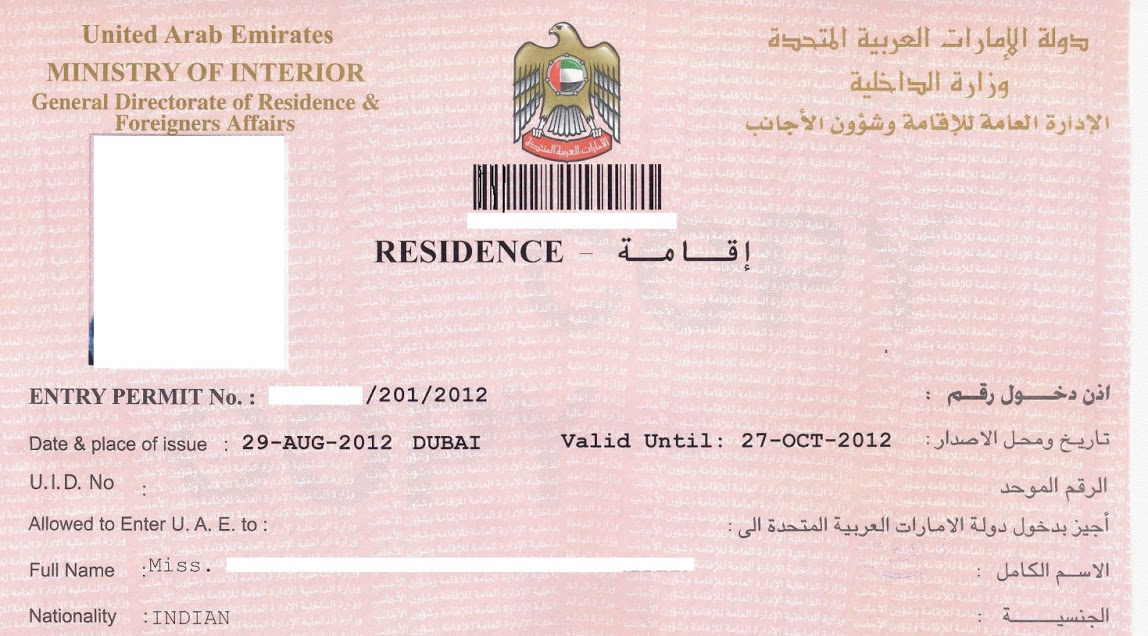
The UID includes an emirate code indicating where the UID was issued, the year of issue, a unique sequence of digits identifying the individual, and a final check digit for system validation. For example, a UID might follow this format: 201-2023-1234567-1 (Emirate – Year – Unique ID – Check digit). The first digits reflect the code of the emirate that issued the visa: 101 for Abu Dhabi, 201 for Dubai, 301 for Sharjah, and 401 for Ajman. The UID typically consists of 9 to 15 digits.
UID Vs Emirates ID Number Vs Visa Number: Key Differences
Many UAE residents confuse these three identifiers. Understanding the differences is crucial for navigating official processes correctly.
Comparison Table
| Identifier | Purpose | Where To Find It | Does It Change? |
|---|---|---|---|
| UID Number | Your master immigration file number. Tracks all immigration and residency records across your lifetime in the UAE. | Visa sticker, GDRFA/ICP portals, entry stamps, and Emirates ID card under “Unified Number”. | No. It is permanent and never changes. |
| Emirates ID Number | Your official proof of identity for daily services: banking, telecom, government transactions, and healthcare. | Physical Emirates ID card (15-digit number starting with 784). | Yes. A new number is issued with each card renewal (typically every 5-10 years). |
| Visa Number | Specific to a single visa issuance or permit. | Printed on the specific visa document, often near the UID. | Yes. You get a new one with every new visa or renewal. |
Why The UID Is Different And Permanent
The UID was introduced along with the Emirates ID in 2010. Unlike your visa number or Emirates ID number, the UID stays the same even if you move from one type of visa to another, change employers, or renew your residency. This permanence makes it the most reliable identifier for tracking your complete immigration history in the UAE. Your Emirates ID number, by contrast, changes with each card renewal, and your visa number changes with each new visa issuance.
Why The UID Number Matters
Your UID is required for a wide range of government services and official procedures in the UAE. Without it, many processes cannot proceed.
Essential Uses Of The UID
The UID plays a critical role in identifying you across various government departments and services. It is essential for:
- Emirates ID applications and renewals – Your UID is used during your Emirates ID registration to match your visa and ID records.
- Visa processing and renewals – Required for all visa applications, renewals, amendments, and cancellations.
- Labour contracts and MOHRE processes – Preparing offer letters and renewing labour contracts requires your UID.
- Business setup and trade licensing – Registering a company and obtaining trade licenses requires your UID.
- Healthcare registration – Accessing healthcare through HAAD or DHA requires your UID.
- School enrolment – Registering children for school requires the UID.
- Tracking immigration records – Your UID keeps a complete record of all your entries, exits, visas, renewals, and cancellations.
- Preventing duplicate records – Your UID avoids any duplicate records of your visas and identities.
Having your UID number readily available can save significant time when checking your visa status, updating personal information, or completing official documentation.
Where To Find Your UID Number
Your UID appears on multiple official documents. Here is where to look.
On Your Emirates ID Card
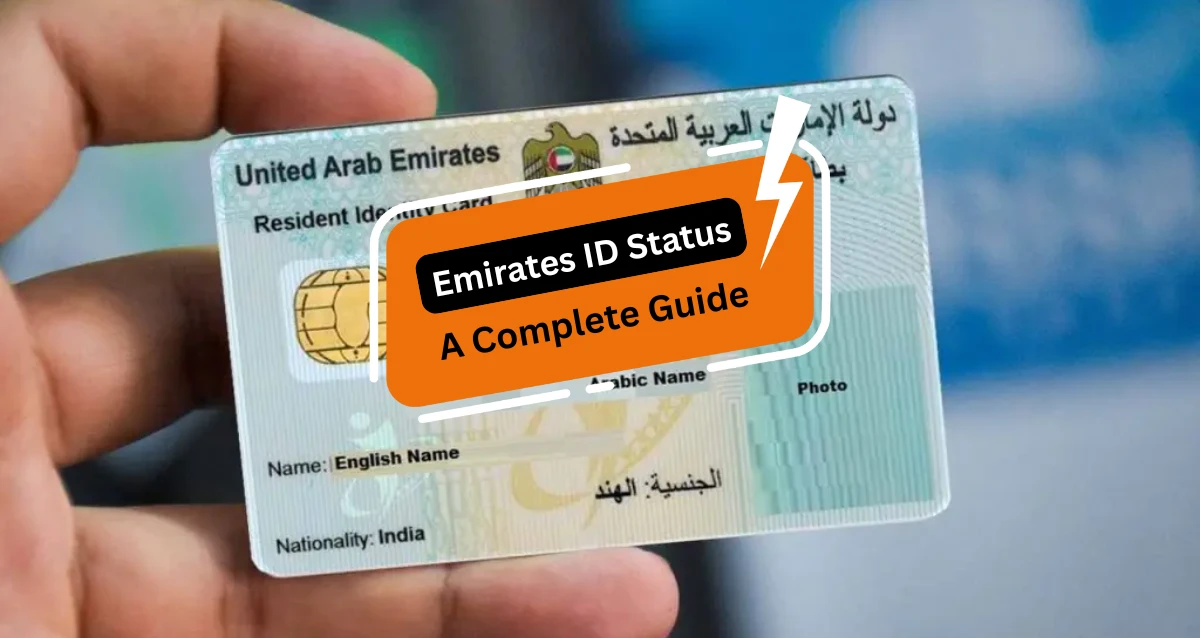
Since 2022, visas are no longer stamped in passports. The UID is now printed under “Unified Number” on your Emirates ID card. Check the front or back of your physical Emirates ID card for this number.
On Your Residence Visa
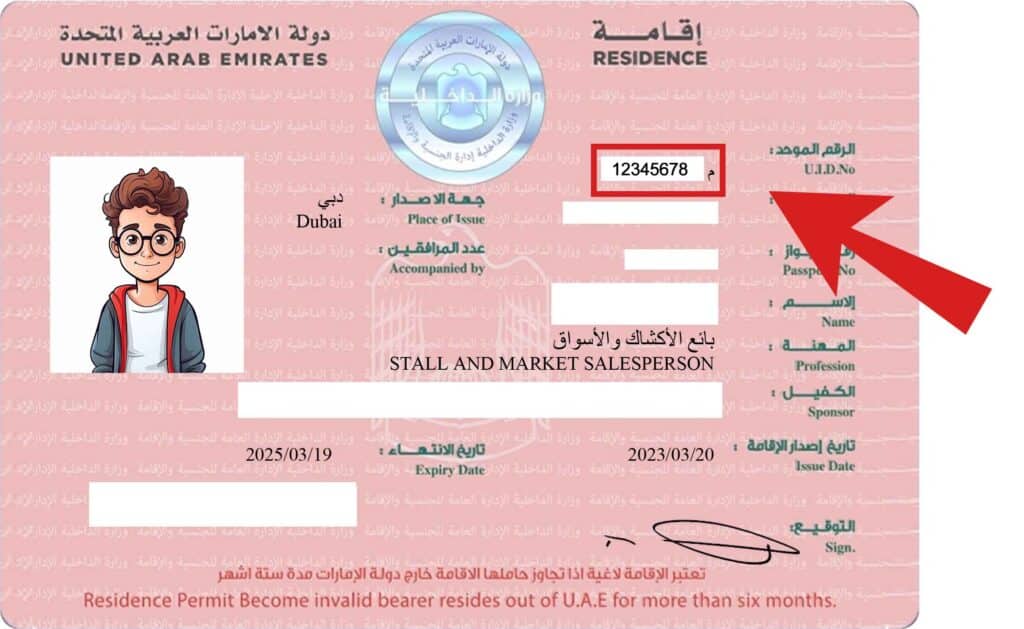
If you have an older visa with a physical stamp in your passport, look for the “Unified Number” printed above the File Number on your visa page. For electronic visas (e-visa PDFs), open the digital copy and locate the “Unified Number” field. The UID is typically at the top of the visa document.
On Your Entry Stamp
If you are not a citizen, the UID can be found on the entry stamp on the last page of your passport or on your visa.
Online Via GDRFA Or ICP Portals
If you cannot locate your UID on any document, you can retrieve it online. Visit the official GDRFA website at www.gdrfad.gov.ae. Click on the ‘Find Unified Number’ option. Enter your passport number, nationality, date of birth, and gender. Complete the captcha verification and click Submit. Your UID number will be displayed on the screen. Alternatively, you can use the ICP Smart Services platform.
UID For Visitors, Residents, And Businesses
Everyone who enters the UAE receives a UID, regardless of their visa type or purpose of stay.
Who Gets A UID?
- Visitors – Every tourist or short-term visitor receives a UID upon entry. This UID will remain if the person later transitions to residency.
- Residents – Every resident, from employees to family dependants, has a UID linked to their Emirates ID, visas, and labour records.
- Students – The UID is linked to their student visa and may be required for university admission and related services.
- Dependents – Children and family members receive their own UID, which is used for Emirates ID issuance, school enrolments, and healthcare.
- Businesses – In certain cases, companies also receive a unified identifier for trade licence and corporate records, though “UID” usually refers to individuals.
How To Use Your UID Number
Knowing your UID and keeping it secure is essential for smooth interactions with UAE government systems.
Practical Steps For Using Your UID
Your UID is required whenever you interact with immigration, residency, or identity authorities. When applying for a new Emirates ID or renewing your existing one, ensure you provide your UID correctly. For visa renewals or changes of status, your UID is the key reference number. When registering for healthcare, enrolling children in school, or setting up a business, have your UID ready. If you are unsure of your UID, retrieve it online via the GDRFA or ICP portals before starting any official process. Keep your UID in a safe place alongside your Emirates ID and passport, as it is a permanent part of your UAE identity.
The UID number is more than just a string of digits – it is the foundation of your digital identity in the UAE. As the country continues to streamline government services through initiatives like UAE Vision 2021, the UID system ensures that every resident and visitor has a single, permanent, and secure record within the federal system. For residents and expats, understanding and safeguarding your UID is not just a bureaucratic necessity – it is the key to unlocking seamless access to everything the UAE has to offer, from healthcare and education to business and beyond.