
Dubai sits on the trade route between Kashmir and the rest of the world, and the pashminas that arrive here are the real thing — hand‑woven from the fine undercoat of Himalayan goats, light enough to pass through a wedding ring, warm enough to replace a jacket. But the market is also full of synthetic blends sold as pure pashmina, and the difference between a genuine shawl and a machine‑made imitation is not always obvious. This guide covers where to shop, what to pay, and how to tell the real from the fake before you hand over your money.
At A Glance: Where To Buy Pashmina Shawls In Dubai
| Location | Best For | Price Range (AED) | What You Get |
|---|---|---|---|
| Karama Markets | Bargaining, variety, budget to mid‑range | 50 – 400 | Blends to pure pashmina, scarves, wraps |
| Meena Bazaar, Bur Dubai | Traditional textile shops, Indian imports | 80 – 500 | Pure pashmina, embroidered pieces, good for gifts |
| Global Village (seasonal) | Direct from Kashmiri vendors, unique designs | 100 – 600 | Hand‑embroidered, often pure pashmina |
| Souk Madinat Jumeirah | Tourist‑friendly, fixed prices, ambiance | 200 – 1,000+ | Higher‑end, curated selection, some designer pieces |
| The Dubai Mall / Mall of the Emirates | Luxury boutiques, designer labels | 500 – 3,000+ | Branded pashminas, guaranteed authenticity |
| Textile Souk (Bur Dubai) | Raw fabrics, tailoring, bulk | 50 – 300 | Unstitched pashmina fabric, plain shawls |
Traditional Markets — Karama And Meena Bazaar
Karama Markets
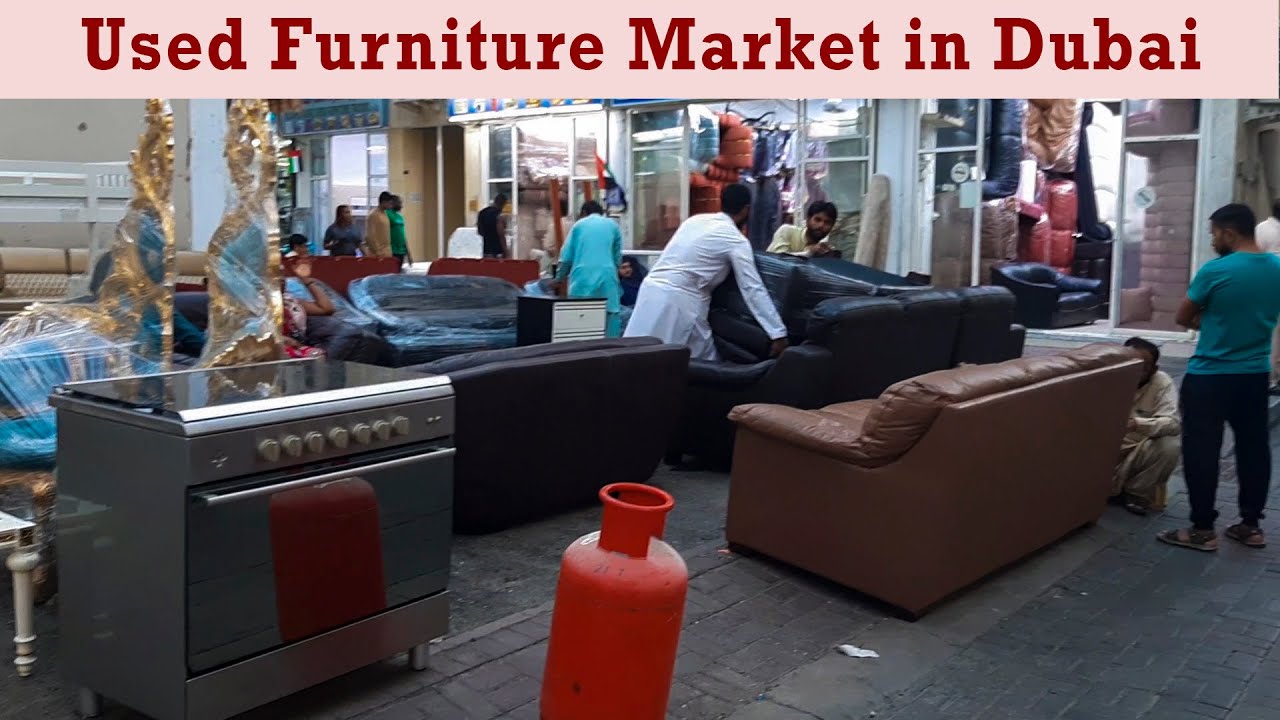
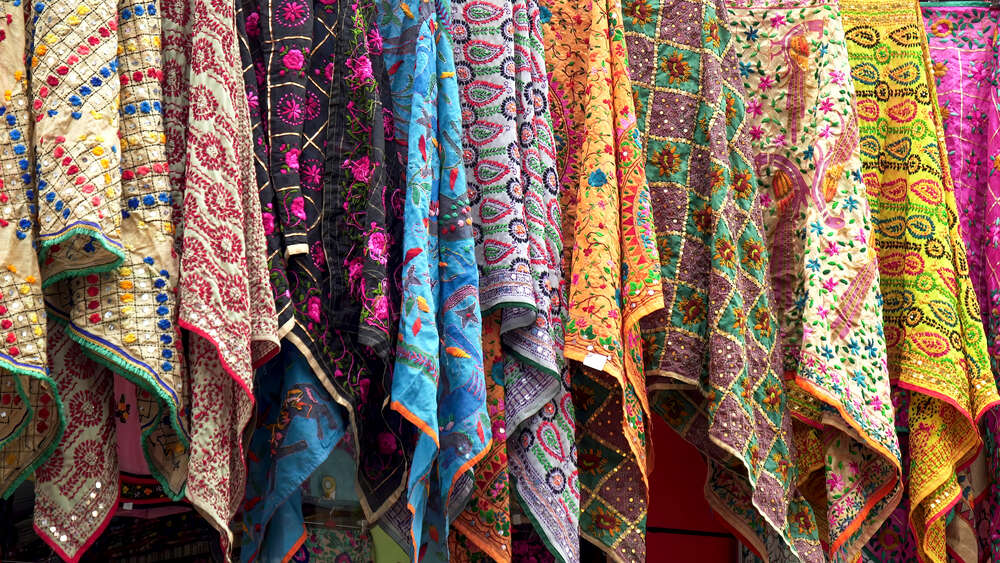
Karama is the go‑to district for affordable pashminas in Dubai. The streets around Karama Centre and the small textile shops tucked between the larger buildings are filled with floor‑to‑ceiling stacks of scarves and shawls in every colour and pattern. This is where you go to bargain.
Most shops sell a mix of synthetic blends, cashmere‑silk mixes, and a limited number of pure pashminas. The starting price for a blended scarf can be as low as AED 30 to 50, while a decent cashmere‑silk mix runs AED 80 to 150. Pure pashmina here typically starts at AED 200 and can go up to AED 400 for a plain piece; hand‑embroidered ones cost more. Bargaining is expected — a quoted AED 300 for a pure pashmina can often settle at AED 200 to 250. The key is to know the tests for authenticity (see below) and to visit several shops before committing. Look for shops with a large, varied stock and owners who can talk about the weave and origin.
- Location: Karama Centre area, Karama textile shops
- Price Range: AED 50 – 400
- Best For: Bargain shopping, everyday scarves, testing your eye for pashmina
- Tip: Start your quote at 40% below the asking price. Walk away if the seller won’t budge; there are five more shops next door.
Meena Bazaar — Bur Dubai
Meena Bazaar in Bur Dubai has been a textile hub for decades. The narrow lanes are packed with shops run by Indian and Pakistani traders, many of whom have direct connections to Kashmiri suppliers. The range is broader than Karama — you will find more pure pashminas here, and the shopkeepers often know the provenance of their stock.
Prices for a genuine, undecorated pure pashmina start around AED 150 to 300. Shawls with light sozni embroidery — a fine needlework style from Kashmir — run AED 400 to 800. Heavily embroidered or antique pieces can reach AED 1,000 or more. Haggling is normal, but the initial markup is less aggressive than in Karama. Many shops will let you perform the ring test or even a burn test on a loose thread. The quality of the shopping experience here is better suited for someone who wants a genuine article and is willing to pay a fair price for it.
- Location: Meena Bazaar, near Al Fahidi, Bur Dubai
- Price Range: AED 80 – 500+
- Best For: Authentic Kashmiri pashminas, embroidered pieces, knowledgeable sellers
- Tip: Ask to see the shawl in natural light. Indoor halogen bulbs can make the colours look richer than they are.
Seasonal And Souk Shopping
Global Village
Global Village operates from roughly October to April each year, and it’s Pakistan and Indian Pavilion are one of the best places in Dubai to buy a pashmina directly from the people who make them.
The advantage is authenticity and variety. Most stallholders are weavers or traders from Kashmir, and they bring a wide range of pure pashminas, many with intricate hand‑embroidery. Prices are mid‑range to high — plain pure pashminas start around AED 150 to 250, while embroidered ones run AED 400 to 800. Bargaining is possible, but not as deep as in Karama, because the product is genuinely hand‑made. This is also a good place to see the difference between grades of pashmina in person, as a good stall will have several qualities on display. The main drawback is that Global Village is open only half the year and is located far from central Dubai.
- Location: Global Village, Sheikh Mohammed Bin Zayed Road (seasonal: October – April)
- Price Range: AED 100 – 600
- Best For: Direct from Kashmir, large selection, hand‑embroidered pieces
- Tip: Go early in the season, when the vendors have just arrived and are keen to make first sales.
Souk Madinat Jumeirah
The Souk Madinat is a modern recreation of a traditional Arabian marketplace, and its pashmina shops are geared toward tourists who want a pleasant, air‑conditioned shopping experience with fixed, clearly labelled prices. You will not get the lowest bargain here, but you will get a curated selection of good‑quality shawls.
Prices start higher — around AED 200 for a basic pure pashmina — and climb to AED 1,000 or more for embroidered or designer pieces. The shops in the Souk also sell pashmina blends, stoles, and wraps in contemporary colours and patterns, making it a good stop if you want a pashmina that feels more fashion‑forward. The sales staff are helpful, and the overall atmosphere is calm and upscale. There is no bargaining, but the fixed prices are fair for the quality offered.
- Location: Souk Madinat Jumeirah, Al Sufouh 1
- Price Range: AED 200 – 1,000+
- Best For: Tourist‑friendly shopping, fixed prices, curated selection
- Tip: Combine a visit with a walk around the Souk and a coffee overlooking the waterways.
High‑End And Designer Boutiques
The Dubai Mall And Mall Of The Emirates
For those who want the certainty of a brand name and the convenience of a mall, several high‑end boutiques in The Dubai Mall and Mall of the Emirates stock pashminas. These are not the street‑market shawls — they are designer pieces, often with elaborate embroidery, sourced from Indian luxury labels like Good Earth or UAE‑based boutiques that specialise in Indian textiles.
The prices reflect the setting. A branded, pure pashmina shawl starts at AED 500 and can easily reach AED 2,000 to 3,000 for a heavily worked piece. The packaging is gift‑ready, and the authenticity is guaranteed. You will not need to perform any tests. This is the best option if you are buying a gift for someone who values a luxury label, or if you prefer a shopping experience with air conditioning, fitting rooms, and international credit card acceptance without questions.
- Location: The Dubai Mall (Downtown), Mall of the Emirates (Al Barsha)
- Price Range: AED 500 – 3,000+
- Best For: Luxury gifts, guaranteed authenticity, designer pashminas
- Tip: Look for Indian designer stores like Good Earth, Ogaan, or the high‑end textile boutiques on Level 2 of The Dubai Mall.
How To Tell A Real Pashmina From A Fake?
The Ring Test
This is the classic test, and it works. A genuine pashmina, woven from the fine under‑fleece of the Himalayan goat, can be pulled through a standard wedding ring because the threads are so fine. Lay the shawl flat, gather a corner, and pull it slowly through a ring. It should slide through smoothly without bunching or catching. If the fabric bunches up and will not pass through, it is a blend — usually with wool or silk, which have thicker fibres. Note: very heavily embroidered edges might not pass, so test an unembroidered section.
The Feel And Warmth Test
Real pashmina feels slightly oily or waxy to the touch, not slippery like polyester. When you scrunch a corner in your palm for 30 seconds, genuine pashmina will warm up noticeably; synthetics stay cool. Rub the fabric between your fingers — it should feel soft but with a slight grain, not glassy smooth. If it feels like satin or has a high‑gloss sheen, it is probably a synthetic blend.
The Burn Test
If the seller allows, pluck a single loose thread and hold a flame to it. Genuine pashmina, being an animal fibre, will burn slowly with a smell like burning hair and will leave a crushable, dark ash. Synthetic fibres (acrylic, polyester) melt into a hard, plastic bead and give off a chemical smell. A blend will do a bit of both. Do not perform this test without permission, and do it only on a loose thread, not the shawl itself.
The Price Signal
If a shawl is priced at AED 50 and the seller claims it is pure pashmina, it is not. The raw material alone, plus the hand‑weaving, means a genuine undecorated pure pashmina will rarely sell below AED 150 to 200 in Dubai, even after bargaining. A price below AED 100 almost always indicates a blend. Use price as a filter, then verify with the other tests.
The Weave And Fringe Check
Look at the weave closely. Hand‑woven pashmina has slight irregularities — tiny variations in thread thickness and weave density. Machine‑made shawls are perfectly uniform. The fringes of a real pashmina are the warp threads of the weave, not sewn‑on tassels. They should be an extension of the fabric itself, slightly uneven, and hand‑knotted at the ends.
- Ring Test: Genuine pashmina slides through a wedding ring. Blends bunch up.
- Feel: Genuine feels slightly oily and warms in your palm. Synthetics stay cool and slippery.
- Burn Test: Genuine burns like hair, leaves ash. Synthetics melt into a bead.
- Price: Below AED 150 is almost certainly a blend.
- Weave & Fringe: Hand‑woven with natural warp fringes, not sewn‑on tassels.
What To Expect To Pay In 2026?
| Type | Price Range (AED) | Where To Buy |
|---|---|---|
| Synthetic or viscose blend scarf | 20 – 50 | Karama street stalls |
| Cashmere‑silk blend shawl | 80 – 150 | Karama, Meena Bazaar |
| Pure pashmina, undecorated | 150 – 400 | Meena Bazaar, Global Village |
| Pure pashmina, light embroidery | 400 – 800 | Meena Bazaar, Global Village, Souk Madinat |
| Hand‑embroidered sozni pashmina | 800 – 2,000 | Global Village, boutiques, Souk Madinat |
| Designer pashmina, luxury label | 1,500 – 3,000+ | Dubai Mall, Mall of the Emirates |
Caring For Your Pashmina
Pashmina is delicate. Wash it by hand in cold water with a tiny amount of mild shampoo or baby soap. Do not wring or twist — press the water out between towels and lay it flat to dry away from direct sunlight. Store it folded in a cotton bag, never on a hanger, which will stretch the weave. Add a block of cedar or a sachet of dried lavender to keep moths away. With proper care, a good pashmina will last decades and become softer with each wash.
- Hand wash cold, mild soap.
- Press water out, do not wring.
- Dry flat, away from sun.
- Store folded in cotton, with cedar or lavender.
Dubai is one of the best places in the world to buy a genuine pashmina. You are closer to the source, the selection is immense, and the prices — while not rock‑bottom — are fair for the craftsmanship involved. Go to Meena Bazaar or Global Village for the real thing, and learn the ring test before you go. A real pashmina, bought well, will be in your wardrobe long after the souvenir t‑shirts have faded.